
Jennifer Reynolds

From celebrity-driven restaurants to major international airports, Jennifer Reynolds has spent more than three decades shaping the way people experience dining, travel, and hospitality. As Founder & CEO of Ideation Design Group (IDG), she leads one of Arizona’s most respected boutique firms, bringing architecture, interior design, foodservice planning, and procurement together under one roof.
Based in Phoenix, IDG has built a diverse portfolio spanning all 50 states and international markets. Its work includes distinctive concepts for names such as Guy Fieri, Sammy Hagar, and Eataly; independent restaurant destinations; and large-scale food and beverage programs at major transportation hubs including Phoenix Sky Harbor, JFK, and Salt Lake City International Airport. Across these projects, Jennifer’s approach reflects the industry’s growing emphasis on experiential environments—spaces that balance compelling storytelling and memorable design with the operational demands of high-performing hospitality businesses.
Behind the portfolio, however, is an equally compelling story of entrepreneurship and leadership. Jennifer built IDG from the ground up in Phoenix, established herself in a traditionally male-dominated industry, and expanded the firm into a nationally and internationally recognized practice. Now, she is guiding the company into its next chapter.
Last year marked a particularly significant milestone: Jennifer became the sole owner of IDG, a certified Women’s, Disadvantaged, and Small Business Enterprise. The transition not only represents a new era for the firm, but also underscores the leadership, resilience, and vision that have defined Jennifer’s career for more than 30 years.
Jennifer, tell me about your introduction to design? What made you want to pursue the field as a career?
I've always been more on the creative side; numbers were never my thing, but anything visual came naturally to me. I started out wanting to be a fashion designer, then moved into graphic design in college. But at the time, graphic design was very hand-drawing-heavy and didn't excite me the way I thought it would. Interior design ended up being a natural fit. I went to Iowa State, which has a fantastic design program, and the transition felt seamless. I care about how things look, how spaces feel, how you show up; I was raised that way. It wasn't a dramatic turning point, it's just how I'm wired.
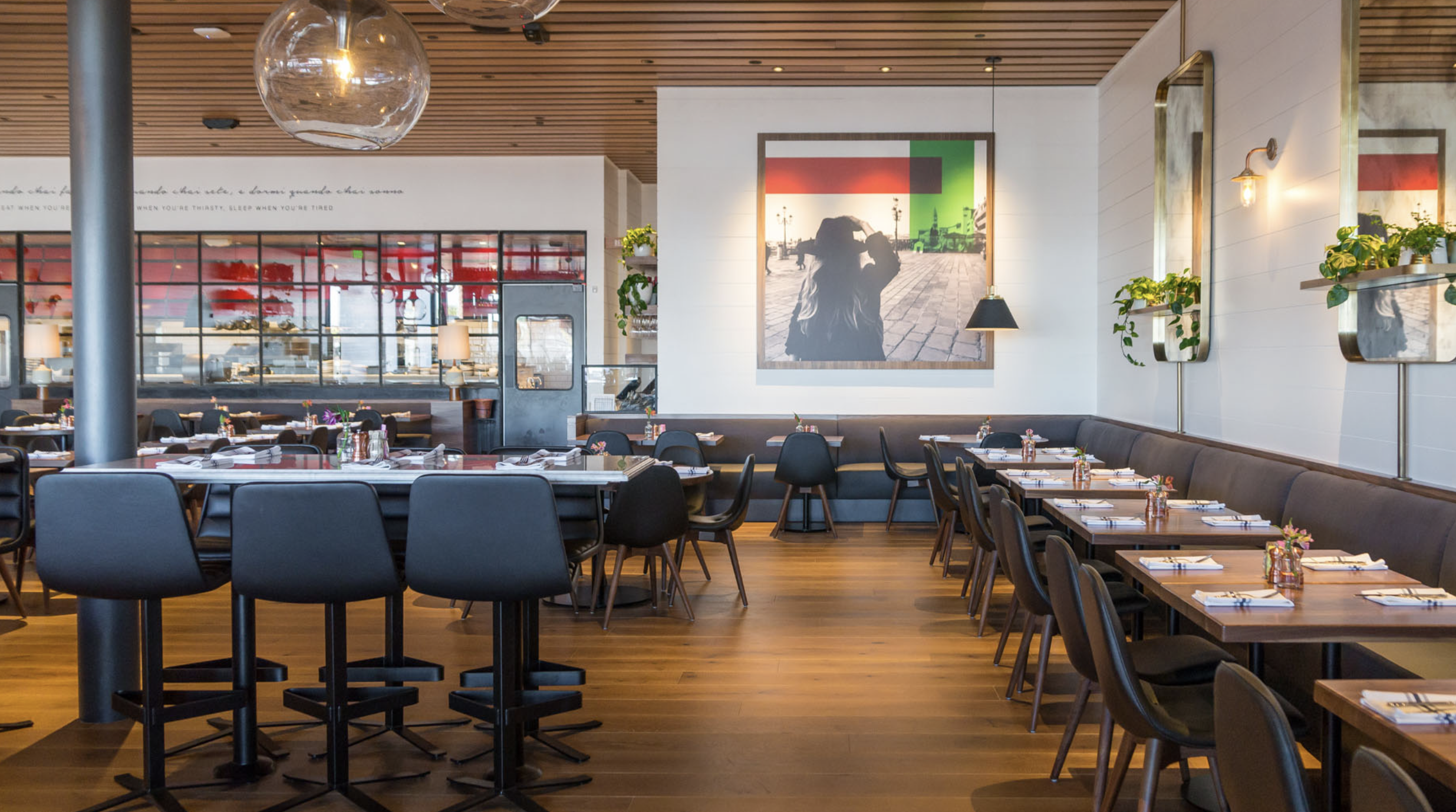
You are the CEO and founder of Ideation Design Group. What motivated you to start your own company?
After college, I spent eight years at a firm doing very similar work to what we do now. After that, I moved into corporate design, and it wasn't for me. When my husband's work took us to Oklahoma for a year, old clients started tracking me down, asking where I'd gone and whether I could help them. That turned into consulting, and by the time we moved back to Phoenix, I knew I was ready to work for myself. I got together with some former colleagues, and we opened the doors to IDG, and because I like a challenge, I started the firm four months pregnant. My son was born nine months into the business, and I used to bring him to work.
They say the first two years of starting your own business are the hardest, what are some challenges you faced early on and how did you move past them?
Early on, you make mistakes that cost you, sometimes literally. I did a 260-seat food court and forgot to send the purchase order for the chairs. Everything else was installed, and when they asked where the chairs were, I had to scramble, fly out, get temporary seating sorted, and essentially make no money on that job. But I never did that again. That experience taught me that the details aren't optional, they're everything.
You scaled the company nationally and internationally, what were some early decisions that you made that proved most critical to setting the foundation for success?
Treating every client as a relationship, not a transaction, is key. I have clients I worked with when I first graduated who are still clients today, and clients who were with us the day IDG opened who are still here now. Some go quiet for ten years, then call and say, "I finally have a project, do you want to do something?" A lot of firms are all about the wins, whether it's a new client or new project, they’re always chasing something new. But if you're good to a client and you build a real relationship, they always come back. That's the foundation of IDG and its success. The same philosophy applies internally: I've worked with members of my core team for 30 years. Life is too short to spend it with people you don't want to work with, and that goes for employees and clients alike.
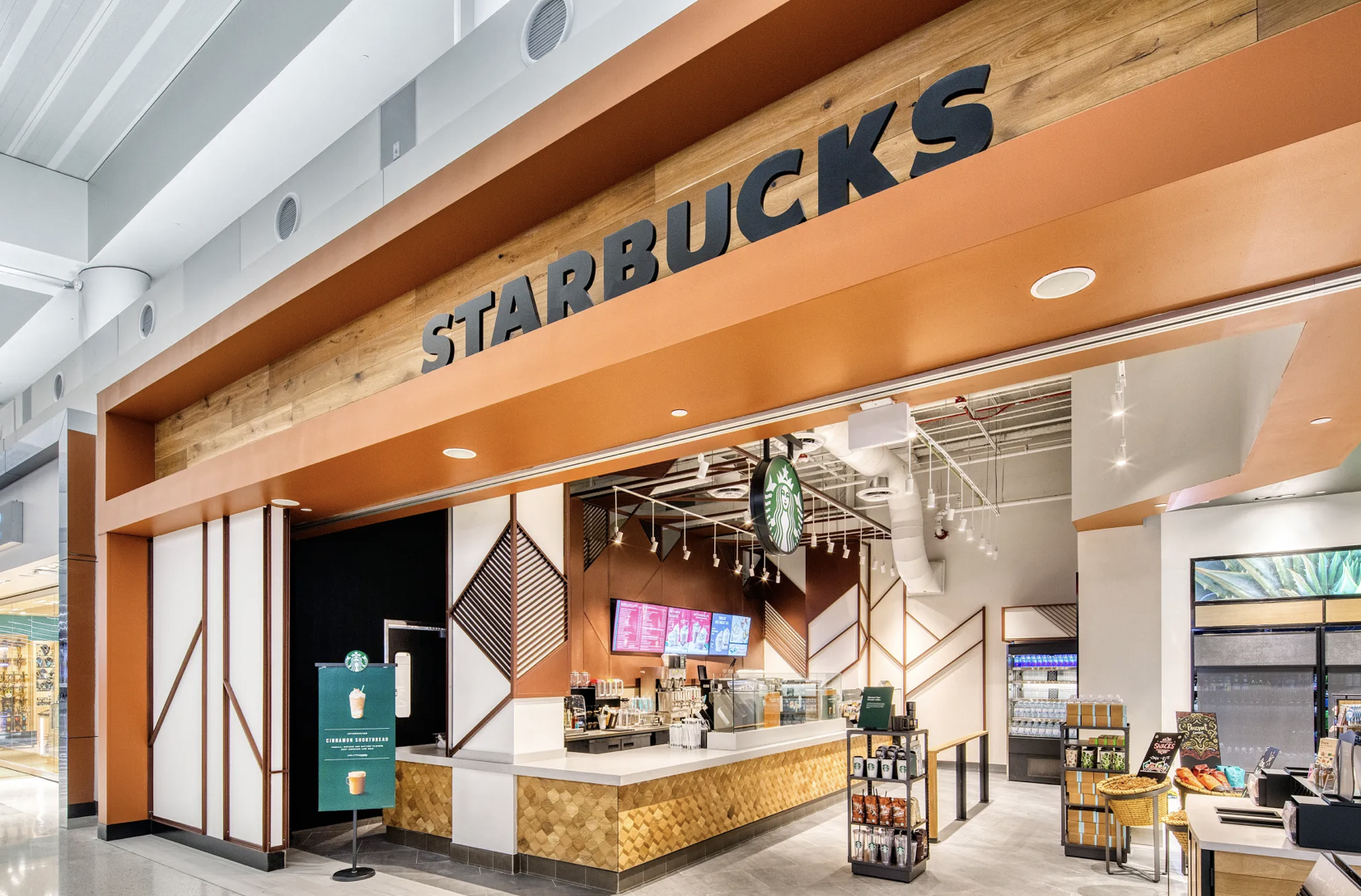
Your work centers on creating spaces that define experiences including travel, hospitality, and dining. How has the definition of "experiential" design changed in hospitality over the last decade, especially as it relates to high-traffic environments like airports?
Back in the day, "experiential" was just another word for “themed.” When I was a young designer, everything was themed to the hilt, but eventually “themed” fell out of fashion. Now we call it experiential, but it's really a different way of looking at the same goal: conveying an experience. What's changed is how far that experience has to carry. When I started, nobody cared about the service model; make the place look cool and customers will come. Now, experiential is everything, all the way through to the bathrooms. If you go to a great restaurant and the bathroom falls flat, the message is that they didn't care enough to carry the design all the way through, and in the age of digital reviews, blowing the experience is costly.
When tackling design for airports, how do you balance brand identity with throughput and operational realities?
The biggest mistake you can make is thinking those are competing priorities—they're not. The operational realities should strengthen the brand, not dilute it. Airport travelers make decisions quickly, so the design has to communicate immediately. They need to understand what the restaurant offers, whether they have time to stay, and how to navigate the space before they even walk in.
That's why we focus first on circulation, sightlines, and visibility, then layer the brand into every touchpoint. The materials have to withstand constant traffic, the layout has to accommodate guests with very different dwell times, and the experience has to feel intuitive from the concourse. Once those fundamentals are in place, we reinforce the brand through the details—from lighting and graphics to furnishings, finishes, packaging, and the small moments guests remember long after they've boarded their flight. When every operational decision also supports the brand, the guest doesn't experience them as separate things. They simply feel like the restaurant knows exactly who it is.
What can independent restaurateurs learn from global operators when it comes to scalability and consistency?
There's an obvious economy of scale; a global operator with a hundred restaurants gets their food costs, their dishware, everything cheaper. What independents can learn is to stop getting hung up on what something costs and start looking at the long-term value of it. If you have a great restaurant and a great product, and you buy the cheaper plate when the nice one wasn’t much more, then the review says the food was great but poorly presented. Was the savings worth it? We see the same thing in design: a $200-per-square-foot tile across an entire bar front is madness, but as a frame around an art piece, it's well worth it. It's about understanding the value of a decision instead of worrying over pennies and nickels, otherwise you miss the forest for the trees.
How do you maintain control across geographies, especially when dealing with a variety of codes, consultants, and construction environments?
Attention to detail is non-negotiable, especially when it comes to money and process. A lot of what the job actually looks like day-to-day isn't glamorous; it's paperwork, financial oversight, chasing payments, making sure consultants are paid, and staying on top of every moving part. Nobody really tells you that going in. But that rigor is what keeps a project from going sideways, no matter where in the world you're working.
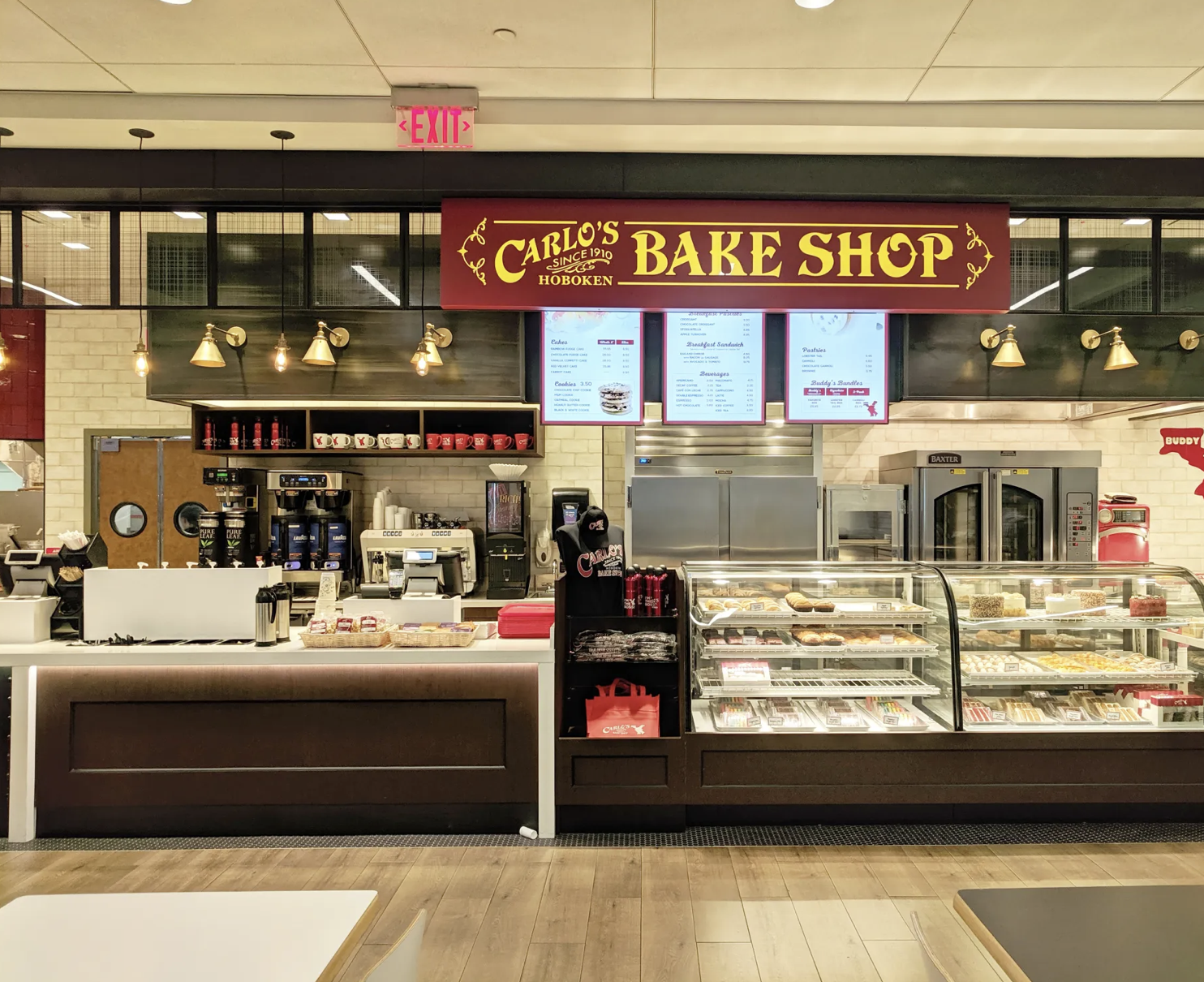
How has your leadership style evolved as the firm has grown?
The hardest part of leadership has always been the people-related decisions. I've had to let go of employees I genuinely liked, and I've had to part ways with long-term clients who were no longer the right fit. Those are never easy calls, but I've learned that avoiding them is worse. What I've come to understand is that empathy and toughness aren't opposites—you need both. You have to understand where people are coming from and still be willing to make the hard call.
What are you most excited about in this next chapter - for both your firm and the industry?
I’m excited about where we’re headed as a team. We recently hired a Director of People, Culture, and Strategy who is challenging some of the mindsets we've settled into. When your core team has been together for 30 years, it's easy to get stuck in a rut, and that evolution is uncomfortable but worth it. What excites me most is watching my senior staff grow into understanding what it actually takes to run a business, including all the things you only learn by figuring them out and screwing up along the way. I'm a firm believer in uplifting people, especially women, and if I can set them up in a better place than where they started, I'm all for it.